
Illustrative concepts by Zentrosys
Zentrosys Node.js Webhook Processing — Illustrative Project Example
Illustrative project example — not a client case study.
This hypothetical scenario describes a possible project approach. It is not a completed engagement, delivered product, or working demonstration.
Service focus: Node.js backend and integration development
The business challenge
An online business depends on events from payment, order, and fulfilment systems. In this scenario, several integrations process events immediately inside incoming HTTP requests. Slow dependencies create timeouts, and repeated event delivery can cause duplicate processing. Staff have limited visibility into which events succeeded and which need attention.
The challenge is reliability across system boundaries. A successful HTTP response does not, by itself, prove that every downstream business action completed correctly.
The proposed Zentrosys solution
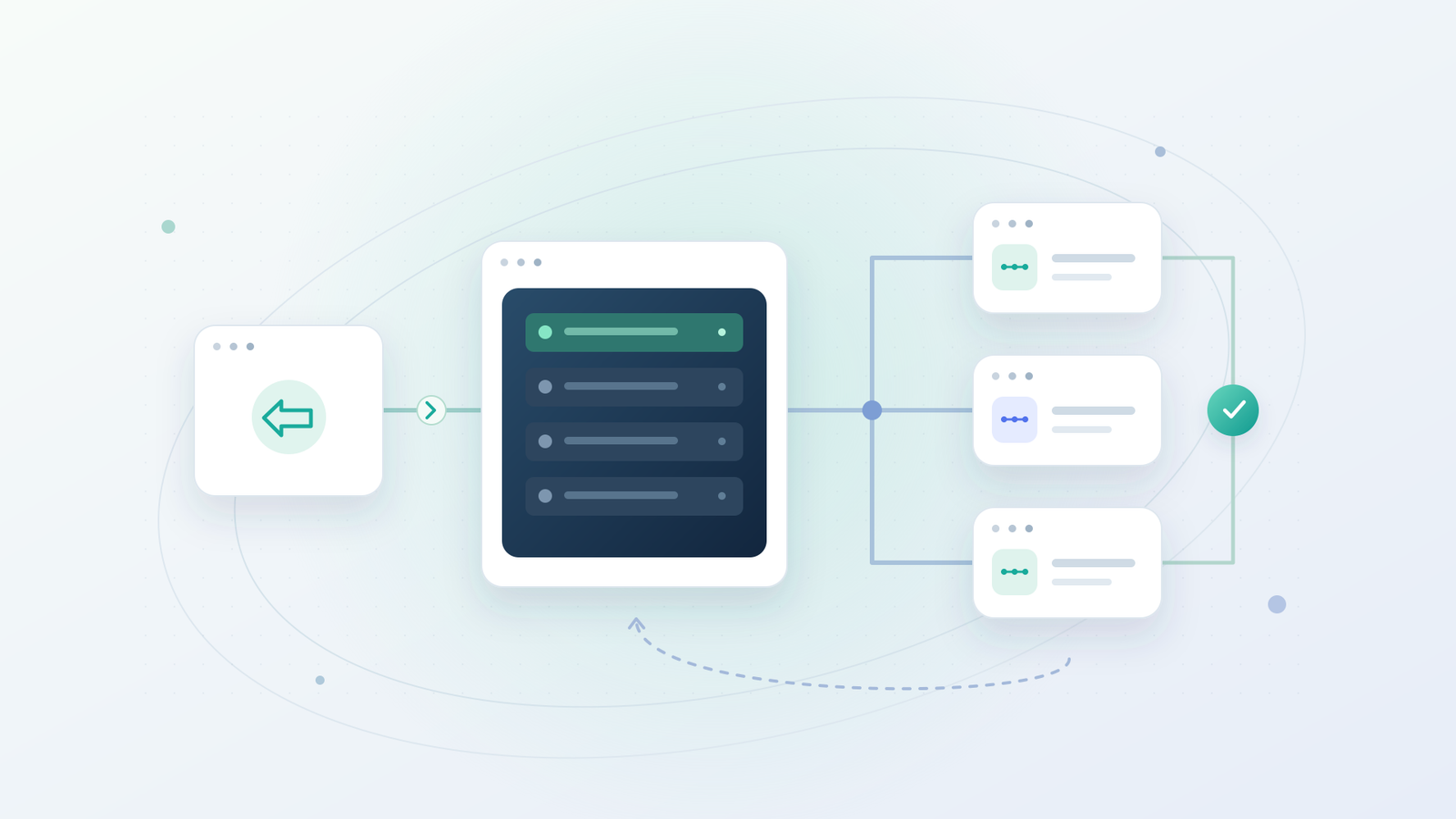
A Node.js project brief for Zentrosys would separate receiving an event from carrying out its business work. Incoming requests would be authenticated according to each provider’s specification, checked for the expected structure, and durably accepted before acknowledgment where the provider’s protocol permits.
Background workers would process accepted events. Provider event identifiers and database constraints would help prevent duplicate effects. Where an external service supports idempotency keys, the integration would use them; other external side effects would require reconciliation or an explicit recovery strategy. A queue alone cannot guarantee exactly-once execution across unrelated systems.
Retries would distinguish temporary failures from requests that require correction. Repeated failures would remain visible for authorised investigation rather than disappearing into logs or retrying indefinitely.
Proposed deliverables
- Authenticated webhook endpoints and event validation.
- Durable event records, background processing, and duplicate handling.
- Controlled retries and an actionable failed-event workflow.
- Correlation identifiers and structured operational logging.
- Health checks and deployment guidance.
How success would be assessed
Validation would include duplicate deliveries, out-of-order events, downstream timeouts, and worker interruption between steps. Tests would check actual business state—not just response codes—and confirm that recovery does not create duplicate orders or charges. Throughput targets would be agreed against representative workloads.
Discuss a similar project with Zentrosys: Share the systems involved, event volumes, provider documentation, and the business consequences of missing or duplicated events.
Zentrosys Project Example
Illustrative scenario · Proposed approach · No claimed client results
This page explains a possible project approach. It is not a report of a completed client engagement. Final scope, technology, delivery arrangements, and acceptance criteria would be agreed for an actual project.